We are excited to welcome May Okafor, a Nigerian artist, researcher, and educator, for an eight-week residency at the G.A.S. Farm House in Ikiṣẹ. May is the first resident under the new ceramics development initiative established through collaboration with ceramic artist Isis Dove-Edwin. Based in Enugu, her multidisciplinary practice spans ceramics, installation, performance, mixed media, and writing. Centring clay as both a material and a conceptual point of departure, her work explores its deep connections to the human body through its pliability, cultural meanings, and transformative possibilities.
During her residency, May hopes to develop a new body of work building on explorations she began in 2025, following a five-year break from the studio after childbirth. Through research and material experimentation, she hopes to explore how her practice can respond to the Farm House environment, drawing on local material practices and connections between memory, place and transition. She will also continue investigating womanhood and its many transitions, drawing on the G.A.S. Library and Picton Archive for research and connecting with women in the surrounding communities, particularly first-time mothers. She also looks forward to exchanging ideas with fellow residents.
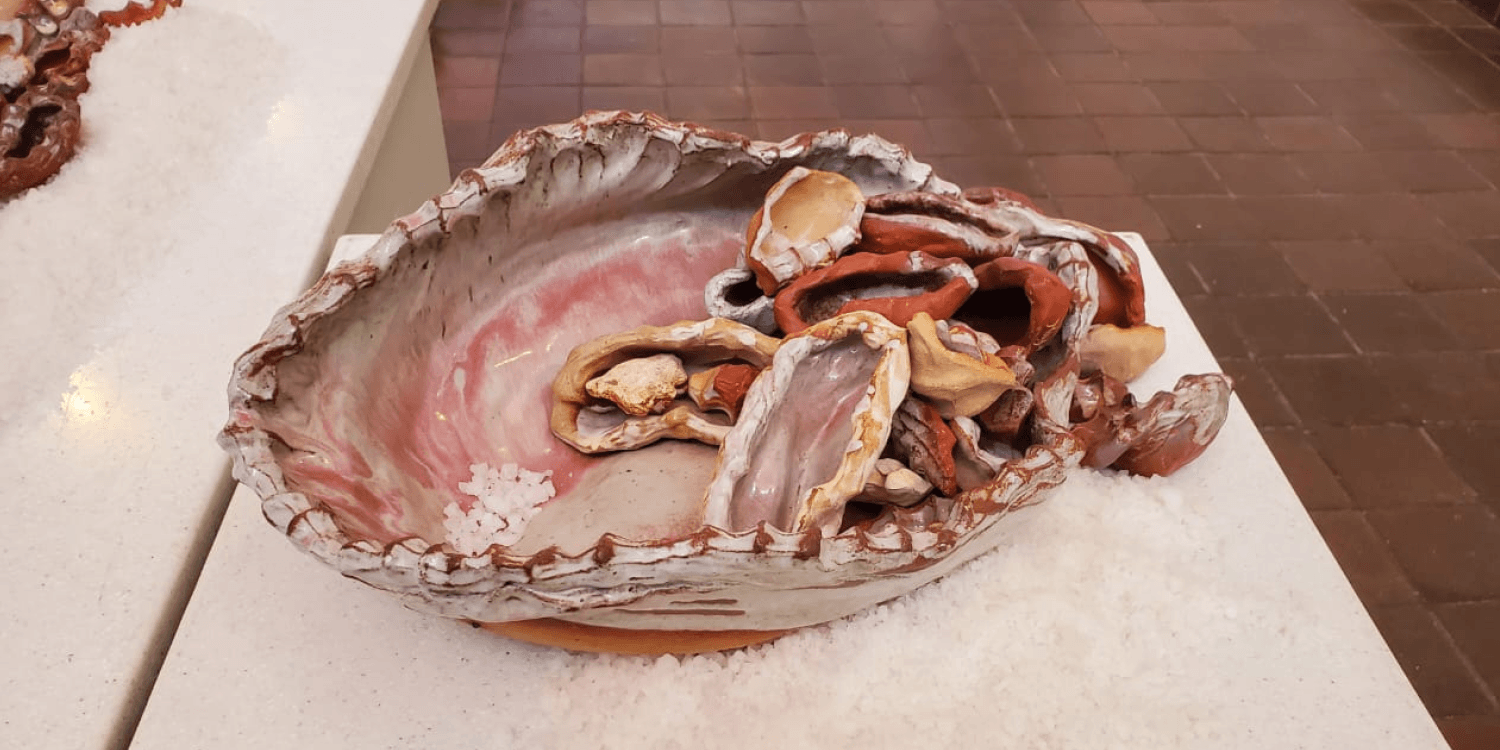 Image courtesy of May Okafor.
What is the current focus of your creative practice?
I am interested in what happens when earth is taken from its natural state, manipulated by hand, subjected to pressure, assembled into form, altered by fire, broken, reconstructed or placed in a new context. These are not simply technical stages in ceramic production but ways through which I think about human experience. Clay remembers, recording touch, pressure, movement, joining, separation and fracture. Fire changes its physical state, giving it another kind of permanence. I find the tension between fragility and endurance deeply compelling, as it allows me to consider identity, transition, memory, and how experience leaves traces on the body and material.
Building on my explorations with clay, and following a five-year break from the studio after childbirth, I am interested in creatively interrogating womanhood and its many transitions. Monthly cycles, pregnancy, childbirth, breastfeeding and becoming a mother are aspects of womanhood that are often not discussed openly, and whose realities can come as a shock to many women. My practice offers invitations to engage with these aspects of womanhood and the real-life experiences of navigating them.
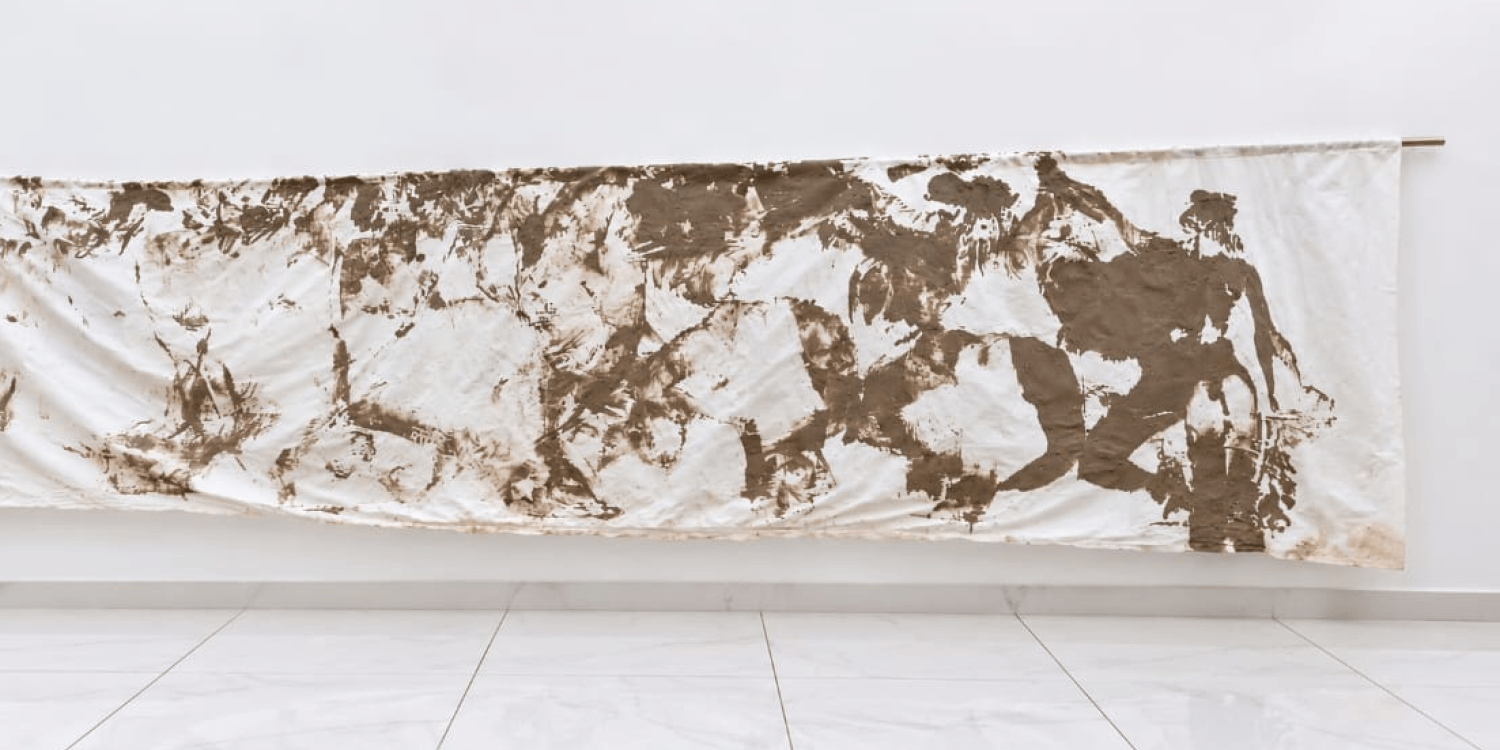 Untitled. Image courtesy of May Okafor.
What drew you to apply for this residency and how do you think it will inform your wider practice?
A residency offers an important context for extending my studio interest. I want to place my existing knowledge of clay and African material culture into dialogue with new environments, people, materials and ways of thinking. I see artistic residency as a space for experimentation, exchange and productive uncertainty—an opportunity to allow research and making to generate new directions rather than predetermined outcomes
Can you give us an insight into how you hope to use the opportunity?
I want the residency context to challenge my assumptions, introduce new relationships, and allow the work to evolve through encounter. I see the residency as a space where research can remain open-ended and where making, conversation, and reflection can inform one another.
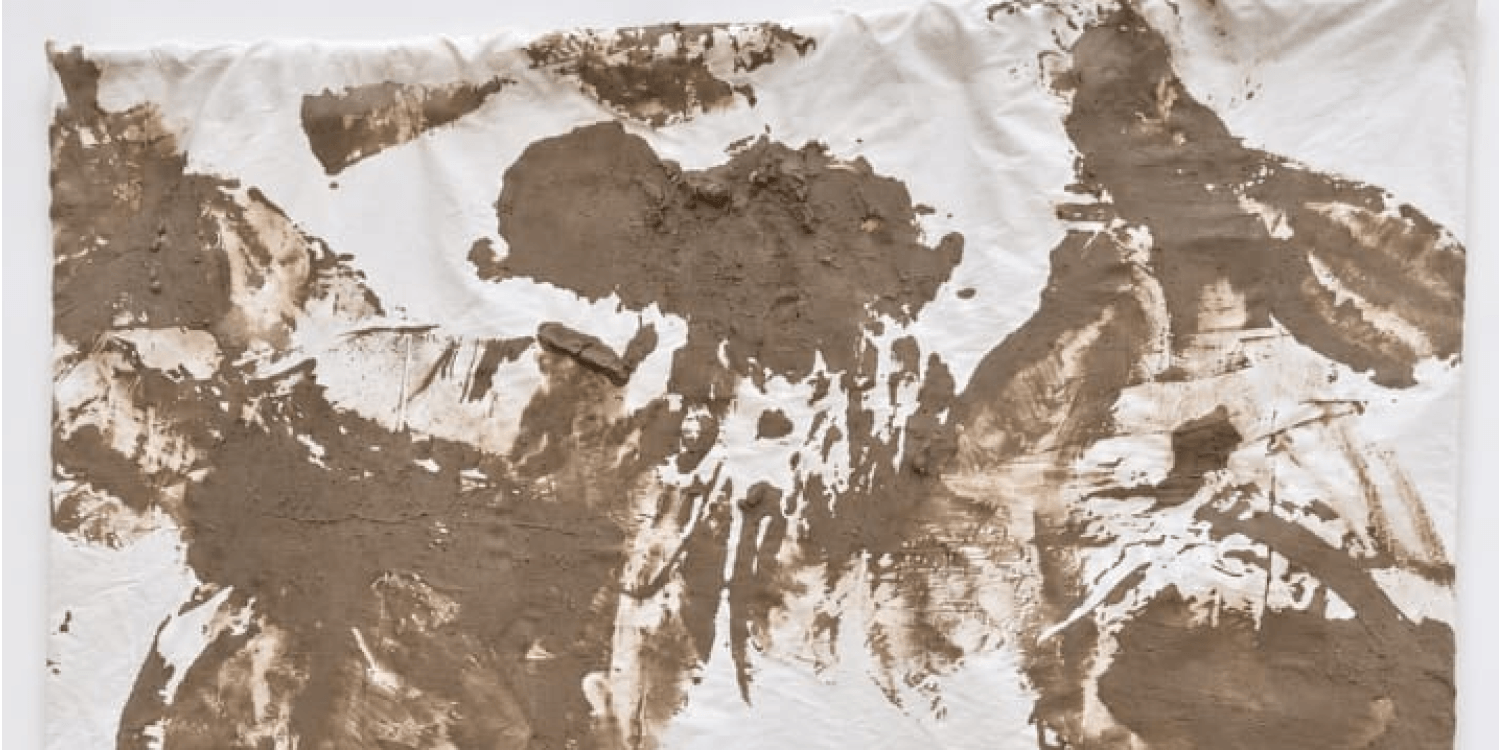 Untitled. Image courtesy of May Okafor.
About May Okafor
May Okafor is an experimental artist, researcher, and educator working across ceramics, installation, performance, mixed media, and writing. Her practice centers on clay, exploring its deep connections to the human body through pliability, cultural meaning, and transformative power. Fascinated by how clay retains memory, registers touch, and records labor over time, her studio work investigates materiality, ritual, memory, embodiment, and social transition. Rooted in African cultural traditions, indigenous knowledge systems, and traditional pottery, Okafor places these historical references in dialogue with contemporary art. Her doctoral research, Performing Liminality: Ceramic Processes as Rites of Passage, examined the parallels between ceramic transformation and human life transitions, culminating in her solo exhibition, Iwo Awolo. Following a five-year studio break dedicated to motherhood, Okafor’s current work creatively explores the often-overlooked realities of womanhood and the transition into motherhood. Through her art, she offers an open invitation to engage with these powerful, real-life experiences.
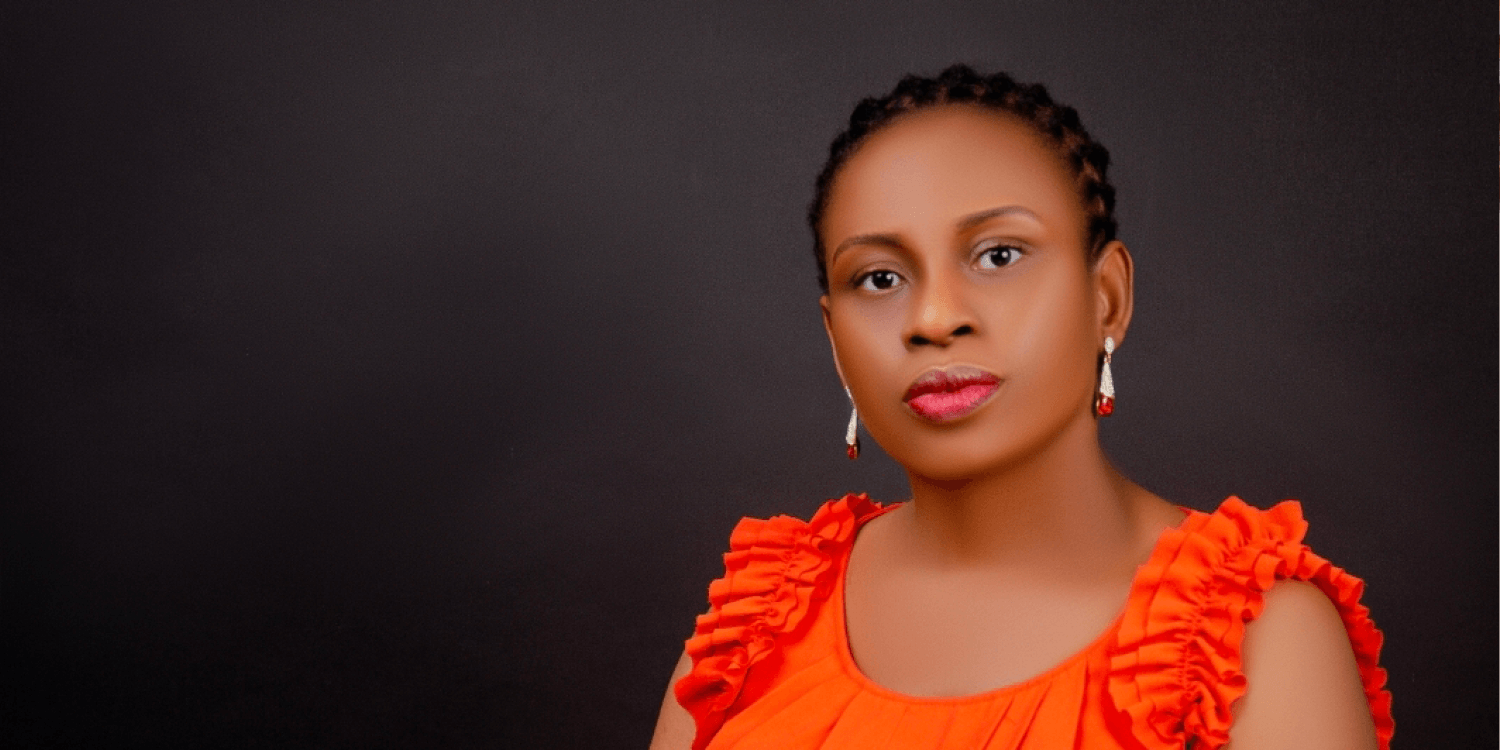 Headshot of May Okafor. Photo: Emmanuel Kalu