Last week, G.A.S. Foundation welcomed Paris-based curator Andy Rankin, and artists Felipe Vasquez, Gabriel Moraes Aquino, John Lalor, and Olivia Philbert, to G.A.S. Lagos for a two-week residency delivered in collaboration with the Lagos Biennial. Titled The Museum of Things Unseen, this year's Biennial explores questions of visibility, representation and the structures that shape museum collections. Bringing together rarely or never-before-seen artworks, it examines the cultural, financial and political factors that determine which works are seen and which remain overlooked.
Alongside presenting their projects through OFFish, the Biennial's parallel off-site exhibition programme, which extends beyond its main exhibition space, the contributors hope to use the residency to conduct research for ongoing projects, explore Lagos' material cultures and local textile practices, and connect with artists, curators and cultural practitioners across the city.
Their presentations are currently on view at the Biennial until 6 December 2026. To find out more about supporting G.A.S. Foundation, click here.
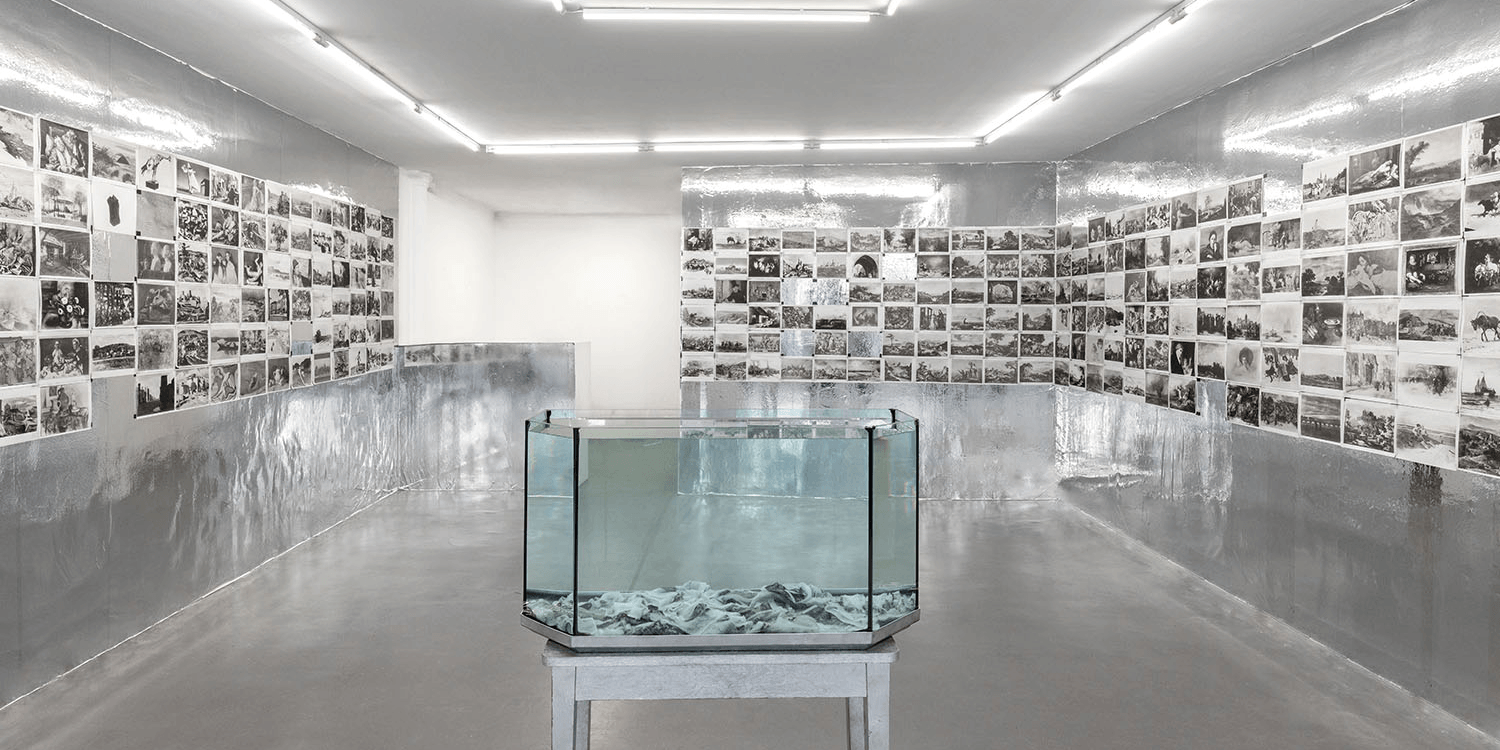 Liquidation Totale - 2024 - pal project (France), Photo: Romain Darnaud.
What is the current focus of your creative practice?
OP: My practice explores the relationship between textiles, language and the tangible world. Unravelling reveals the thread at the heart of the textile; painting transforms it into a world of molecules and nebulae. My dyslexia shapes my desire to root language in the tangible world. Struggling with its abstractions, I may never feel native in my mother tongue. I seek a poetic link between words, the landscapes I see and the world around me. Through an irreversible process, I transform regular industrial textiles into delicate, entirely handcrafted structures. The slow, meditative act of unravelling brings the thread back into focus, revealing what is usually hidden within the fabric. Latex fixes this new structure, while paint gives expression to the forms that emerge.
AR: As a self-taught independent curator based in Paris, I conceive exhibitions as performative protocols, activated by myself or others and unfolding through contingent interactions rather than static display. I am drawn to artistic strategies of destruction, material transformation and participation. My current research focuses on disasters and their iconographies, as well as the traces of lost or missing artworks. This includes the Oblivion Collection, a participatory online archive of disappeared art. I am interested in how disappearance itself might become a curatorial gesture.
FV: My interdisciplinary practice spans performance, photography, installation, sound, poetry, dance and food. Through these different forms, I examine the relationship between humans, spirituality and the natural world, as well as interspecies dynamics, the ecological crisis and the social parameters of marginalisation.
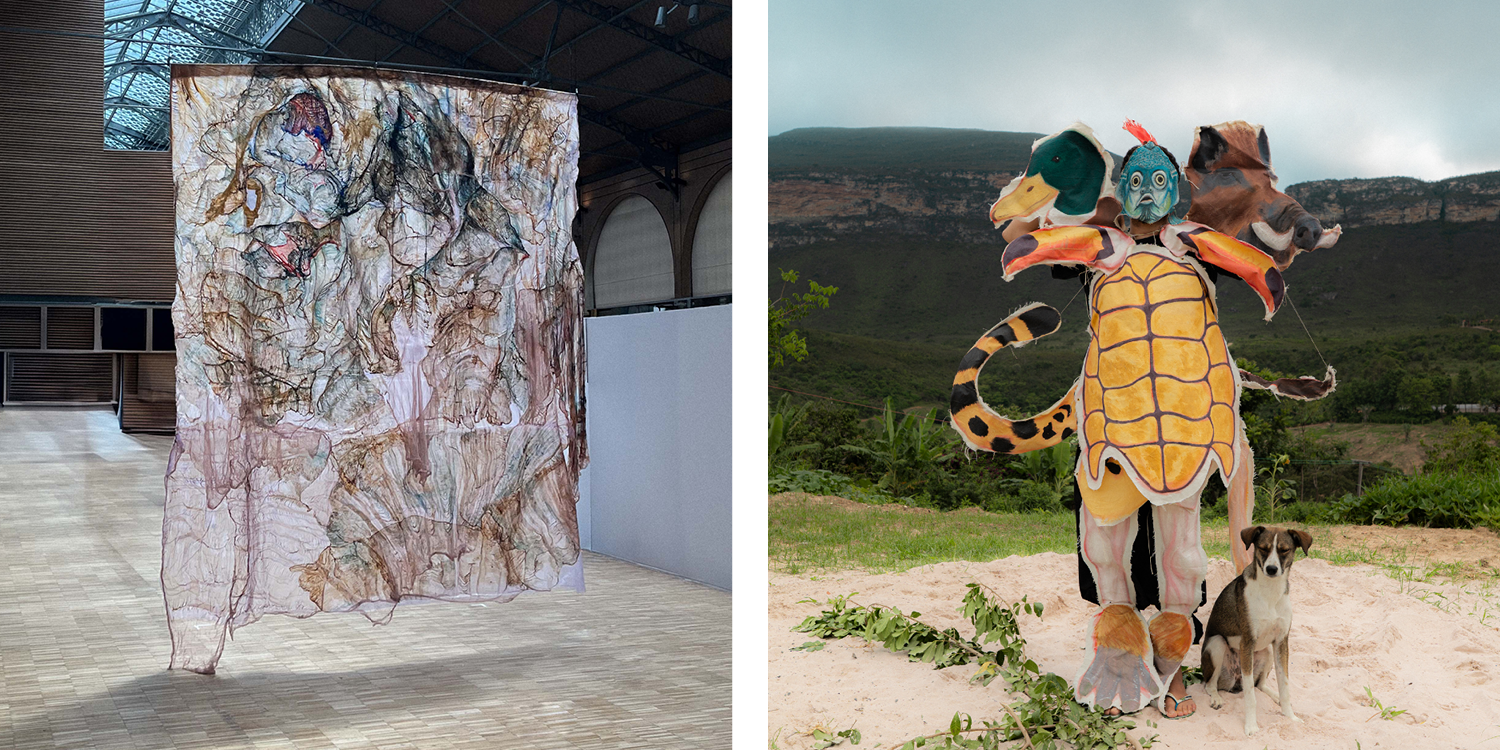 (L): Photo: Raphaël Samha. (R): Rainha, 2025 ; (EN: "Queen", 2025). Photography part of the series "A Body Made of Landscapes" produced in Terra Afefé, Chapada Diamantina, Brasil. © Gabriel Moraes Aquino, ADAGP.
GMA: My artistic practice explores how identities, bodies and landscapes are continuously transformed through movement, displacement and encounters between different territories. I am interested in the unstable nature of things, in how objects, living beings and cultural symbols carry multiple histories, and how their meanings mutate through processes of migration, importation, exportation and adaptation. My recent research takes different forms, from palm trees and their complex histories of circulation and representation to sculptural objects made from cotton, a material deeply connected to colonial histories, labour and global trade. Through these objects, I question the relationship between originals and reproductions, the transformation of materials into cultural symbols, and the suspended identities that emerge when familiar forms are displaced from their usual contexts. In parallel, I have been developing research into human-animal relationships, particularly the presence of parakeets in Paris, looking at how ideas of belonging, foreignness and coexistence are constructed between species and environments. Across sculpture, installation, performance and moving image, I approach these subjects as interconnected ways of thinking about bodies made of landscapes, identities in transition, and the possibility of multiple realities coexisting within the same form.
JL: My practice spans painting, film, sculpture and writing, often exploring the relationship between visual art and cinema. I work across different forms, including paintings, scaled models, film projects and published texts. Much of my work is informed by cinema, literature and the experience of place, with an interest in how these disciplines can intersect to tell stories and examine lived experience.
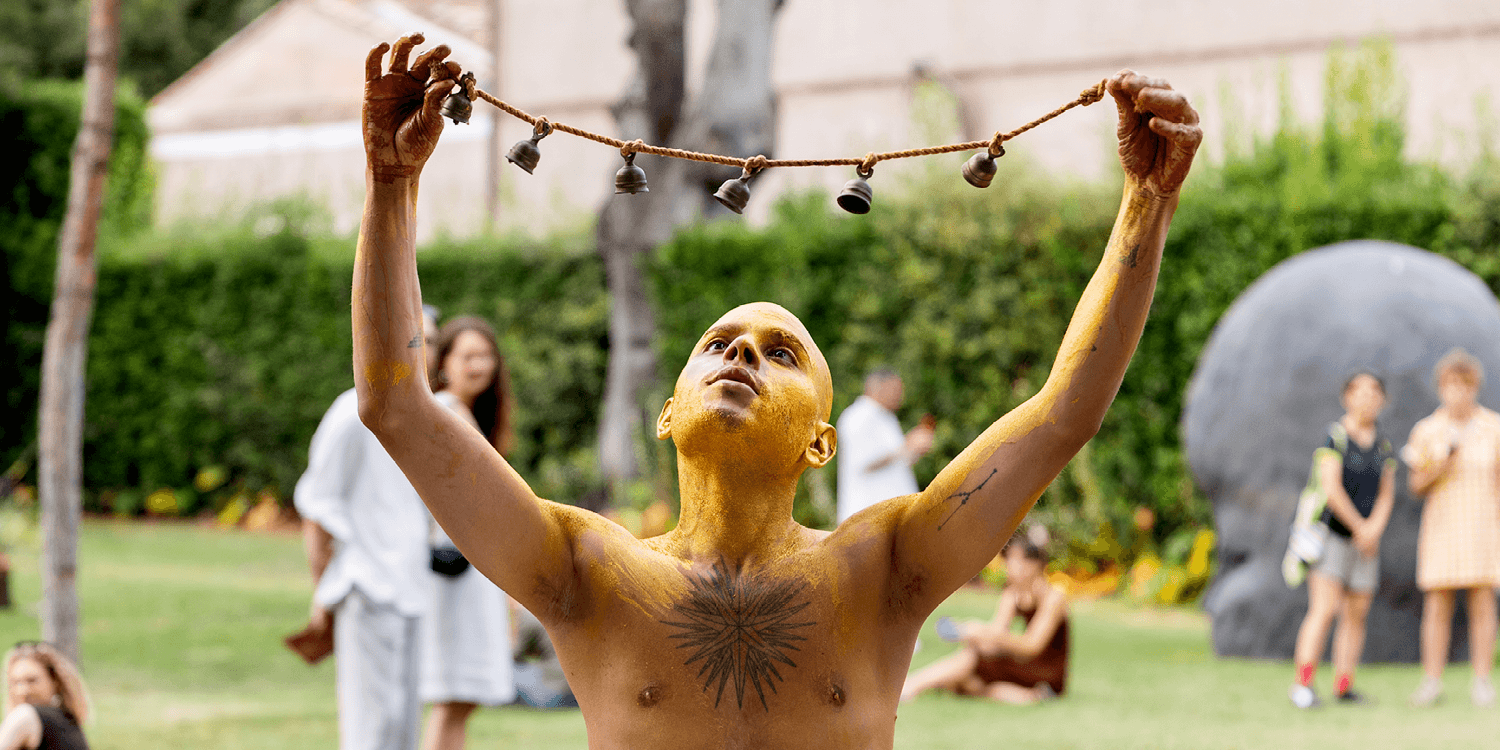 Parable for Swallowing the Sun (2026). Photo: Alessia Calzecchi. Image courtesy of the Villa Medici.
What drew you to apply for this residency and how do you think it will inform your wider practice?
AR: I hope conversations with artists and researchers here, particularly around restitution and histories of loss, will broaden the Oblivion Collection and sharpen its central questions: who decides what is kept, what is allowed to disappear, and what to do with what is gone?
FV: My participation at G.A.S. stems from my involvement in the Lagos Biennial OFFish programme, which offered Gabriel Moraes Aquino and me an opportunity to engage with the local art scene. Having been born in Colombia, raised in the United States and based in France since 2016, I am drawn to exploring different cultural landscapes. My visit to Nigeria offers an opportunity to deepen my understanding of the African continent, explore connections with my Latin American heritage and develop new directions in my practice, particularly around the continent's natural environment.
GMA: My stay at G.A.S. emerged through my participation in the Lagos Biennial OFFish, offering an opportunity to extend this experience beyond the exhibition. Having developed my practice between Brazil, France and China, I am interested in encountering Lagos through its artistic community, everyday life and local practices. I am also curious about the historical and cultural connections between West Africa and Brazil, and hope these encounters will introduce new questions into my research and inform my work beyond the residency.
JL: I was invited by Dr Folakunle Oshun to participate in the Akete Collection exhibition as part of the 2026 Biennial. I am thrilled to be undertaking this residency, which offers a much richer experience than staying in a hotel. I believe coming to Lagos will be an experience of a lifetime and profoundly influence my practice, which has always evolved through my lived experiences. Until now, those experiences have largely been Euro-Anglo.
OP: I am interested in discovering how Lagos's environment, climate and cultural context might influence my material research and visual language. I hope to explore local textiles and engage with the people, knowledge and ecosystems that shape this place. Stepping away from my everyday environment will allow me to approach my practice differently, explore new materials and develop unexpected connections between material, place and imagination.
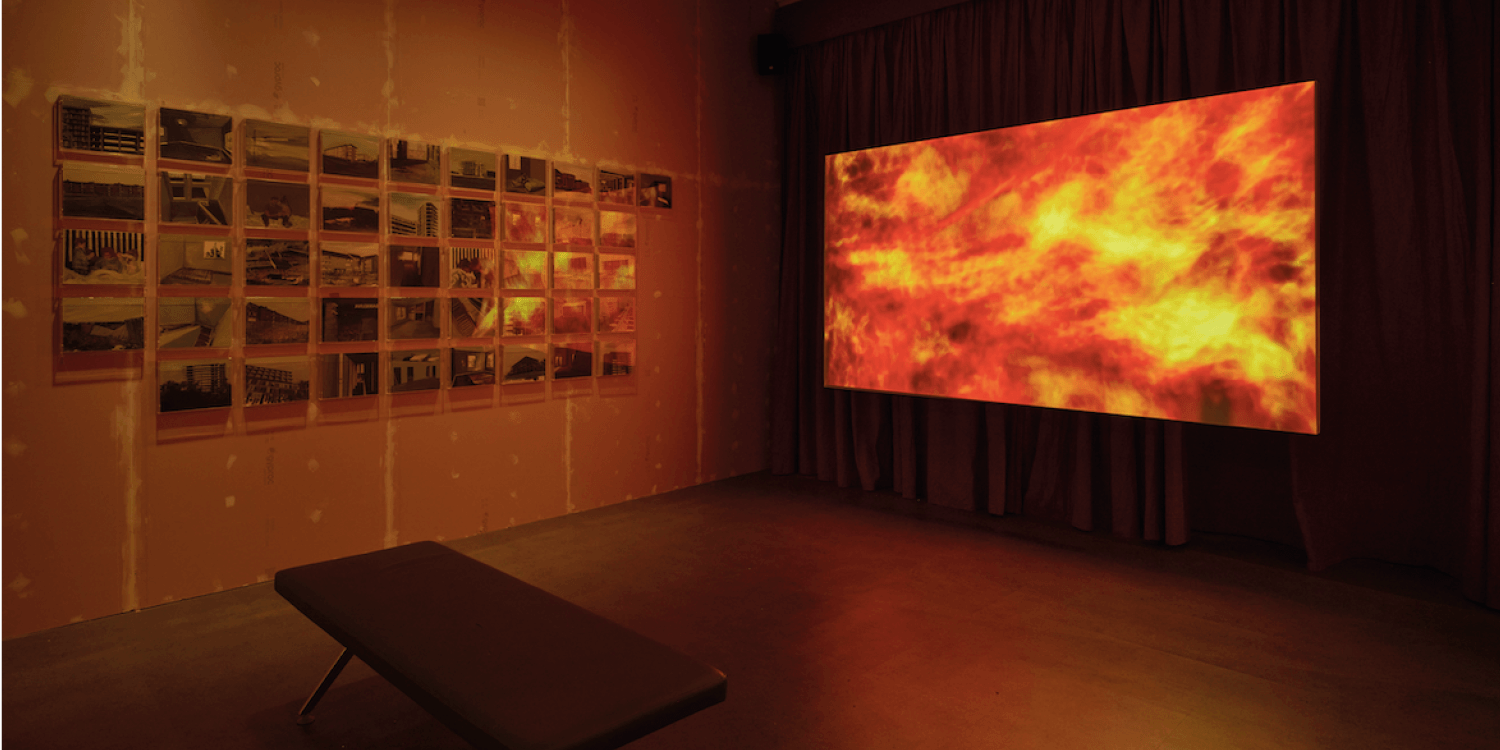 Photo: Ros Kavanagh.
About the Residents
Andy Rankin
Andy Rankin is a self-taught independent curator, critic and artist based in Paris. He conceives exhibitions as performative protocols, activated by himself or others and unfolding through contingent interactions rather than static display. His practice is drawn to strategies of attention, material transformation and participation. For several years, he has been researching disasters and their iconographies, and the traces left by lost, destroyed or missing artworks. This research led to the Oblivion Collection, a participatory online archive of disappeared art, and to Liquidation Totale (Paris, 2024), an exhibition of 555 reproductions of vanished works printed on paper and dissolved one by one unless purchased. A re-enactment, Total Liquidation, will be presented in 2026 within the Àkéte Collection of the Lagos Biennial.
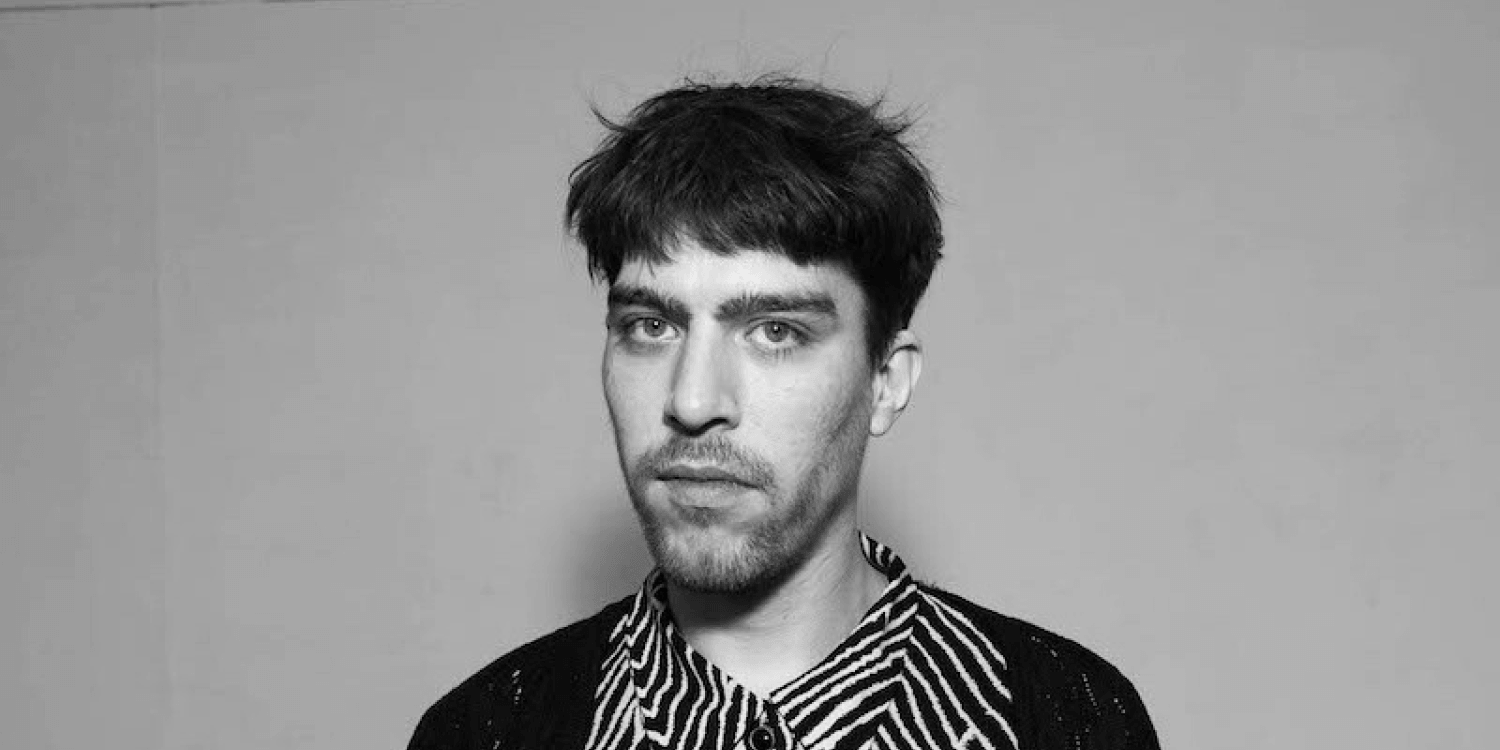 Image of Andy Rankin.
Filipe Vasquez
Felipe Vasquez (Colombia) is an interdisciplinary artist based in Paris, working across performance, photography, installation, sound, poetry, dance, and food. His practice examines the relationship between humans, spirituality and the natural world, as well as interspecies dynamics, the ecological crisis, and the social parameters of marginalization. Vasquez holds a BFA in photography from the School of Visual Arts in New York, and an MFA from the Beaux-Arts de Paris, where he studied in the ateliers of Emmanuelle Huynh and Alvaro Urbano. He is currently a permanent resident at POUSH, a major contemporary art incubator in France. His projects have been presented at institutions like the Villa Medici, the Grand Palais and the Bourse de Commerce - Pinault Collection.
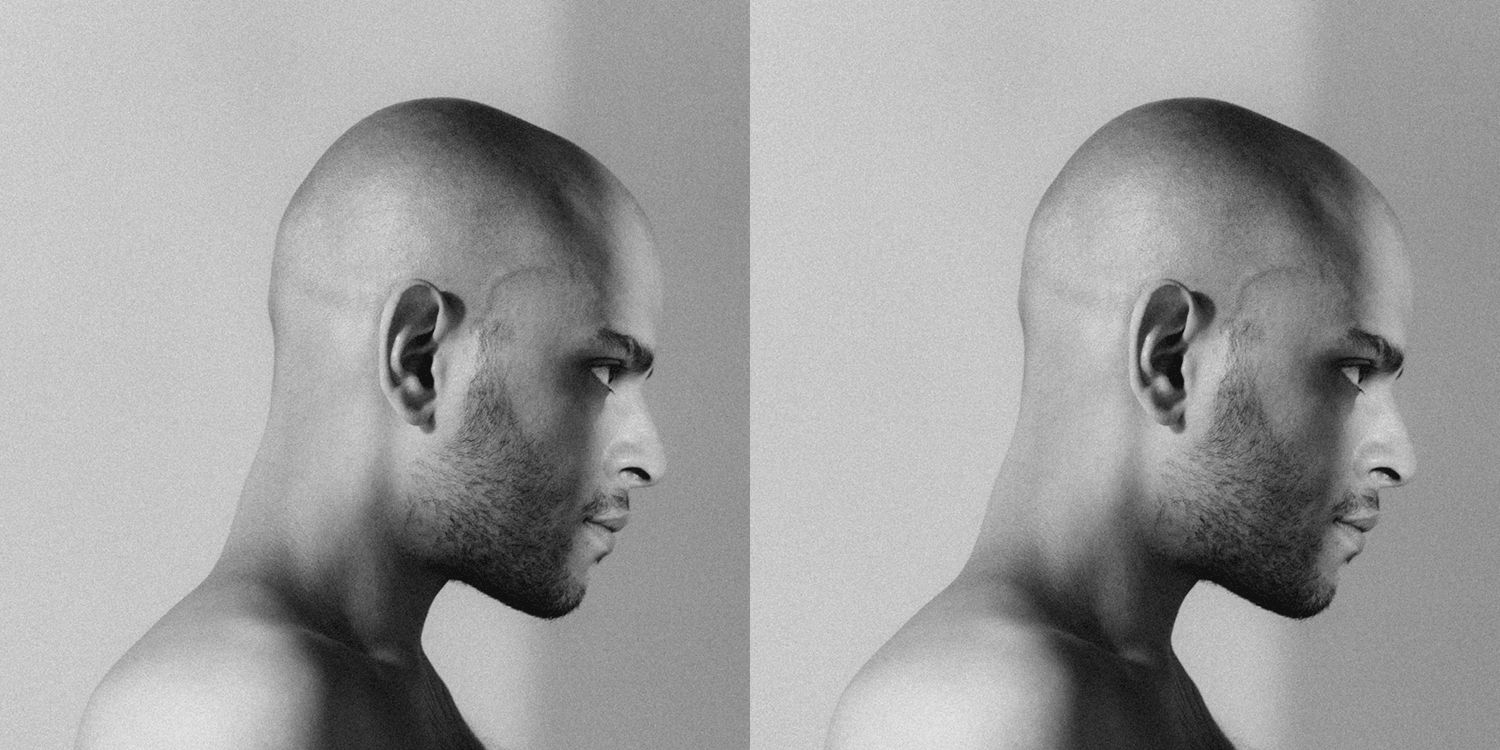 Image of Felipe Vasquez. Photo: Raul GuiIlermo.
Gabriel Moraes Aquino
Born in Rio de Janeiro in 1994 and based in France since 2017, Gabriel Moraes Aquino develops a transdisciplinary practice spanning sculpture, installation, performance, film and photography. His work explores the subtle transformations of a world in which seemingly distant realities increasingly share the same space. Growing up in Rio, where tropical forests, luxury towers, favelas and ruins coexist within a single landscape, he developed an interest in the unexpected relationships between people, objects, symbols and environments. Through everyday situations and familiar forms displaced from their usual contexts, his work reveals connections that often go unnoticed. A graduate of the Beaux-Arts de Paris (2020), he received the FoRTE grant (2022), ADAGP Research Grant (2025) and Prix Carré sur Seine (2026). His work has been developed or presented with institutions including the Bourse de Commerce, A4 Art Museum, Fondation Fiminco and FRAC Île-de-France.
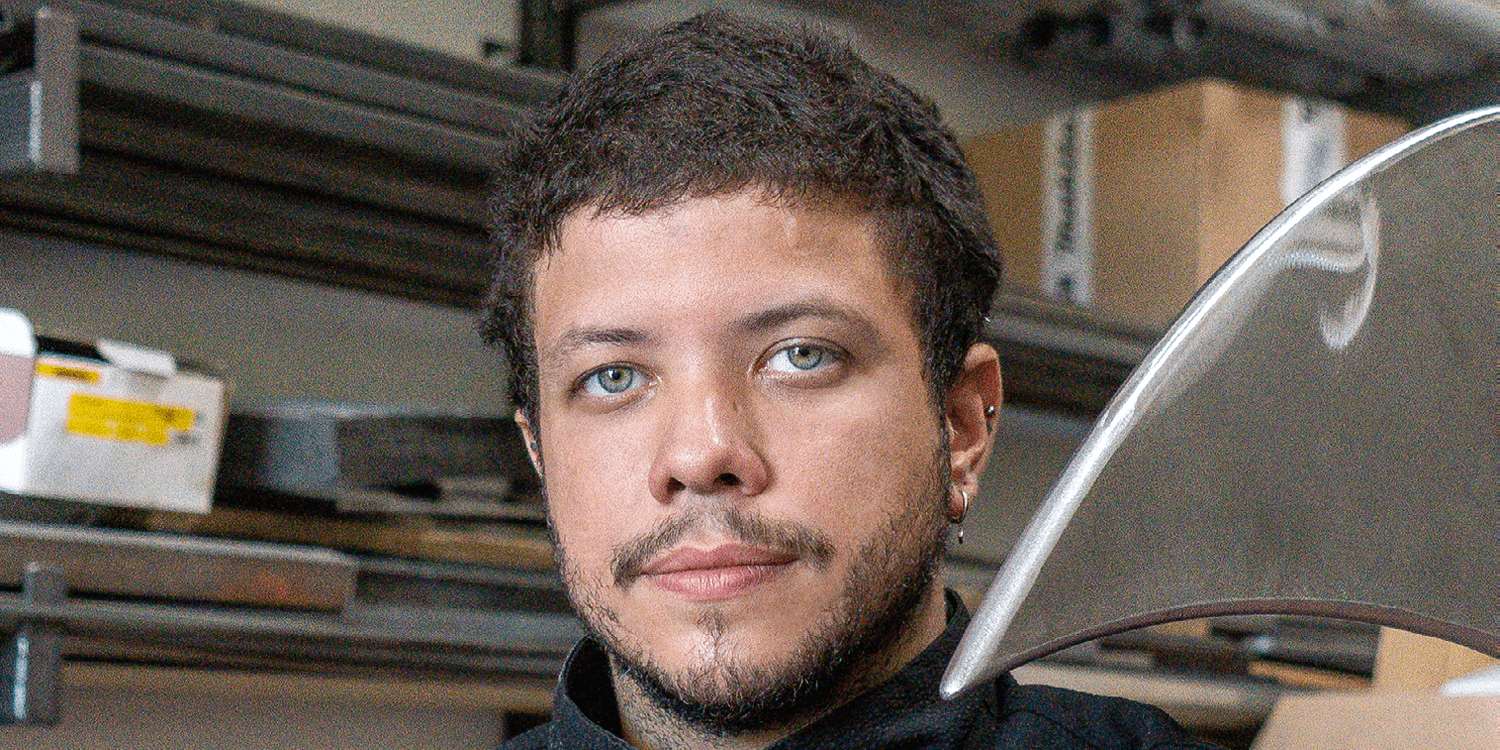 Image of Gabriel Moraes Aquino. Photo: Max Borderie.
John Lalor
John Lalor has lived in Paris for over 35 years. His multidisciplinary practice spans painting, scaled models, text, performance and film, with cinema central to his work. In 2010, he co-authored STEREO JLG, a 3,000-word text on Jean-Luc Godard, published weekly in The Irish Times over seven weeks. His first fiction film, INCIDENT URBAN (35mm, 27 mins), funded by the Arts Council of Ireland, screened at major international festivals, culminating at Tribeca in 2014. It entered the Cinémathèque Française collection in 2018 and was acquired by the Arts Council of Ireland in 2021. His 75-painting series MOMENT OF SURRENDER (2015–2021) was acquired in its entirety by IMMA in 2021. His film EASTER WEEKEND was completed for IMMA’s 2026.
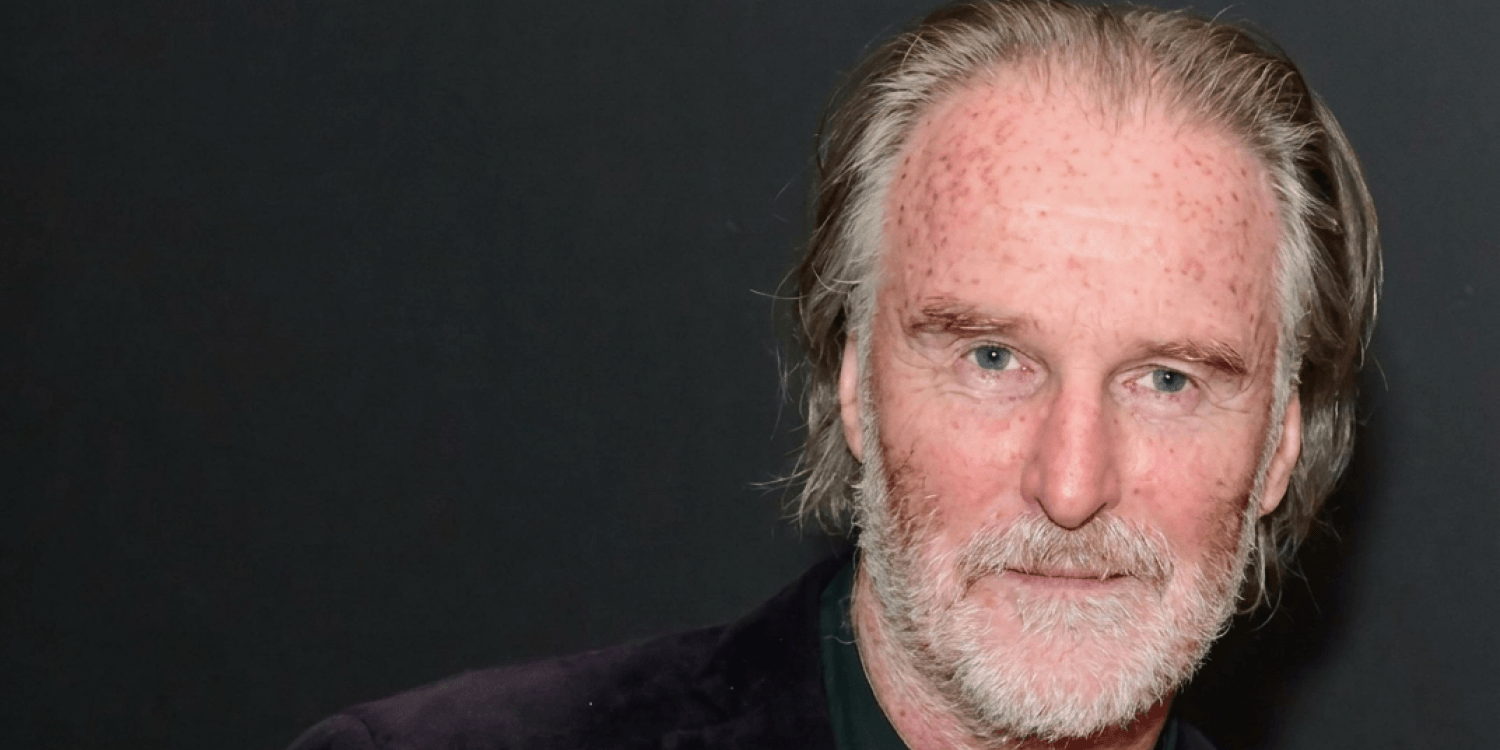 Image of John Lalor. Photo: CCI Paris.
Olivia Philibert
Olivia Philibert is a Paris-based fashion designer and visual artist exploring the boundaries between clothing, sculpture and textile art. Her practice investigates how bodies mutate and hybridise through encounters with organic forms and industrial systems. Her material research centres on hand-unravelling weft-knitted fabrics, transforming industrial textiles into delicate, handcrafted structures. Through draping, sewing, painting and latex, she creates forms that shift between garment and object, function and abstraction. A graduate of HEAD–Genève and the IFM, she gained professional experience at Rabanne, Bluemarble and Paloma Wool. Since 2025, she has focused on textile art, creating costumes and wearable textiles for contemporary dance and independent film. In 2026, she created an installation for textile house Guigou at Première Vision Blossom, reinterpreting fabrics through sensory, body-related forms. Alongside her artistic practice, she develops ESSARTER, a wearable textile project connecting urban and natural worlds through material exploration and craftsmanship.
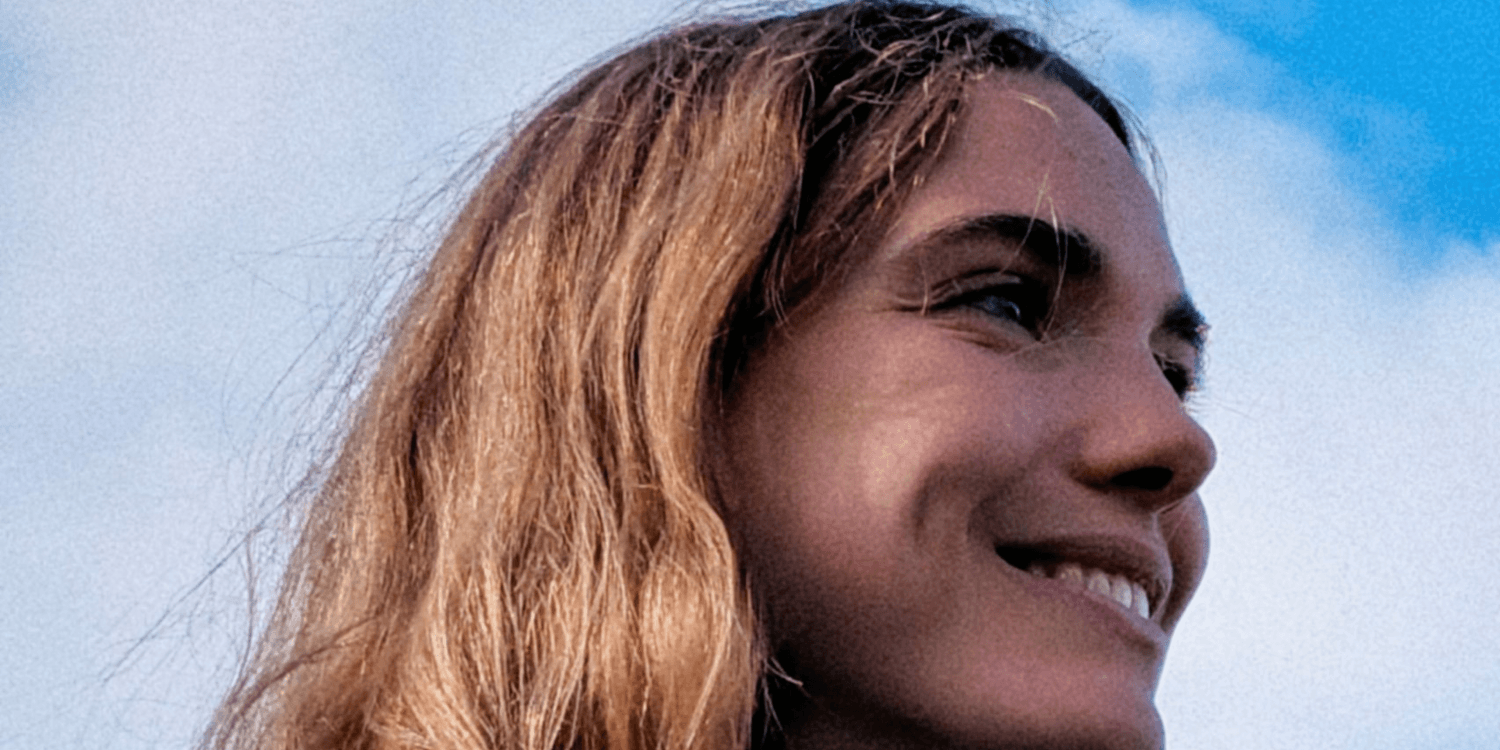 Image of Olivia Philibert. Photo: Behrang Najafi.
