Akir Hall, a London-based biodesigner, material researcher, and recipient of the G.A.S. Fellowship Award 2026, joins us for an eight-week residency at the G.A.S. Farm House in Ikiṣẹ. His interdisciplinary practice spans textiles, craft, research, design, and ecology, exploring the intersection of biotechnology, artisanal craft, and regenerative design. Working with bacteria and fungi, he grows biomaterials that are later shaped, dyed, and finished using traditional techniques to create lighting and homeware objects that bridge heritage craft and future-facing material innovation.
During the residency, Akir hopes to develop a material library using agricultural and food waste sourced from the farm and surrounding region, alongside traditional natural materials such as indigo and kola nut dye. He also plans to continue an ongoing series of biomaterial lamps dyed with these materials, exploring how traditional West African craft practices can intersect with contemporary sustainable design. Alongside his studio research, he hopes to connect with artists, designers, and farmers working with natural materials and ecological approaches, while documenting his residency experience through workshops, conversations, and research shared across his podcast and social media platforms.
Akir's residency is generously supported by Yinka Shonibare Foundation. To find out more about supporting G.A.S. Foundation, click here.
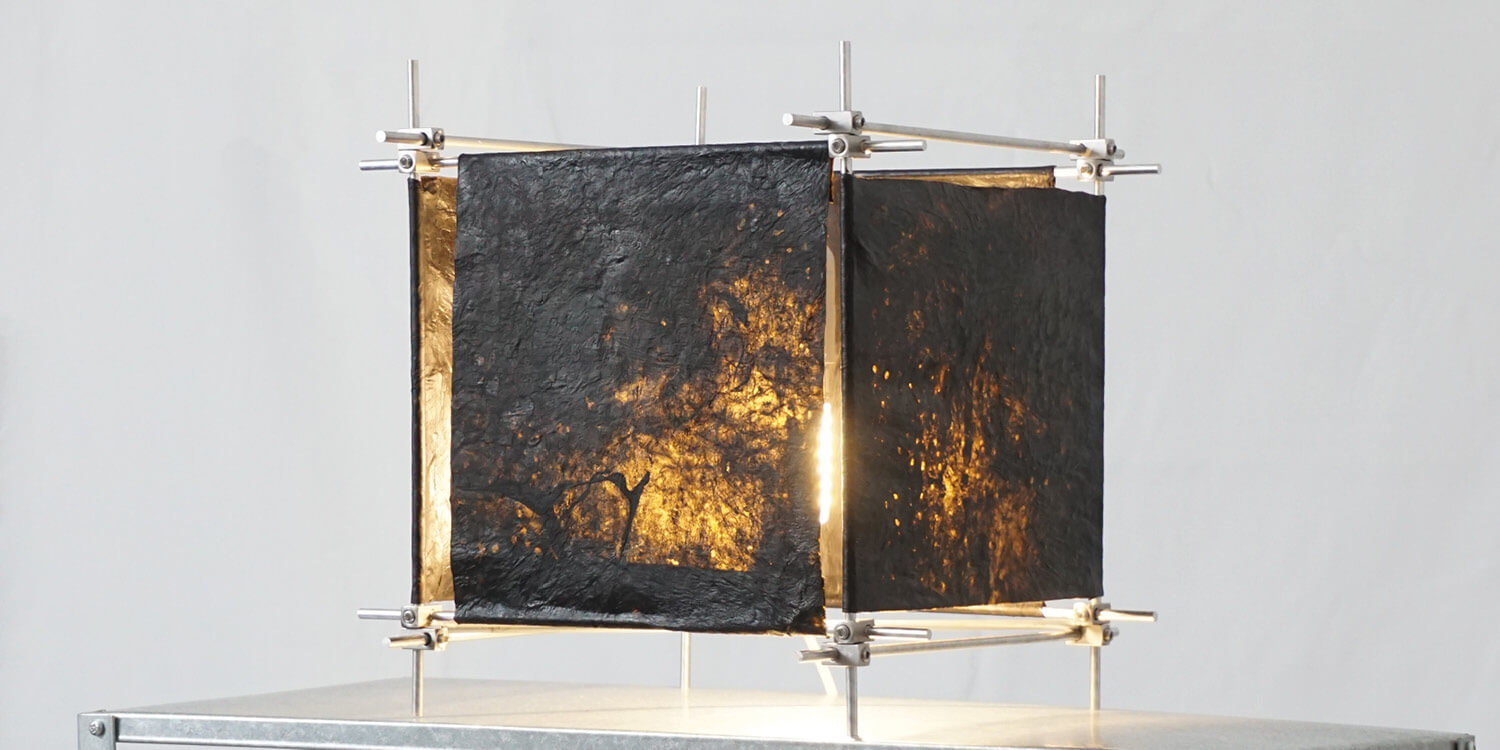 Sumi Lantern made with bacterial cellulose panels grown from fermented tea and dyed with natural sumi ink. Image courtesy of the artist.
What is the current focus of your creative practice?
As a biodesigner, I grow materials, particularly textiles, using fungi and bacteria. The current focus of my practice is transforming raw biological materials into lighting and homeware objects by drawing on sustainable design techniques rooted in ancestral crafts. My aim is to highlight how traditional design knowledge can be viewed as technology: a tool that drives sustainable innovation rather than a relic of the past. For example, I developed a table lamp called the Sumi Lantern, with light-diffusing panels made from a leather-like textile grown from bacterial cellulose and dyed with natural ink through a process called sumizome. Through this approach, I want to bring artisanal objects made from low-impact, non-toxic biomaterials into everyday life, beyond laboratory or exhibition spaces.
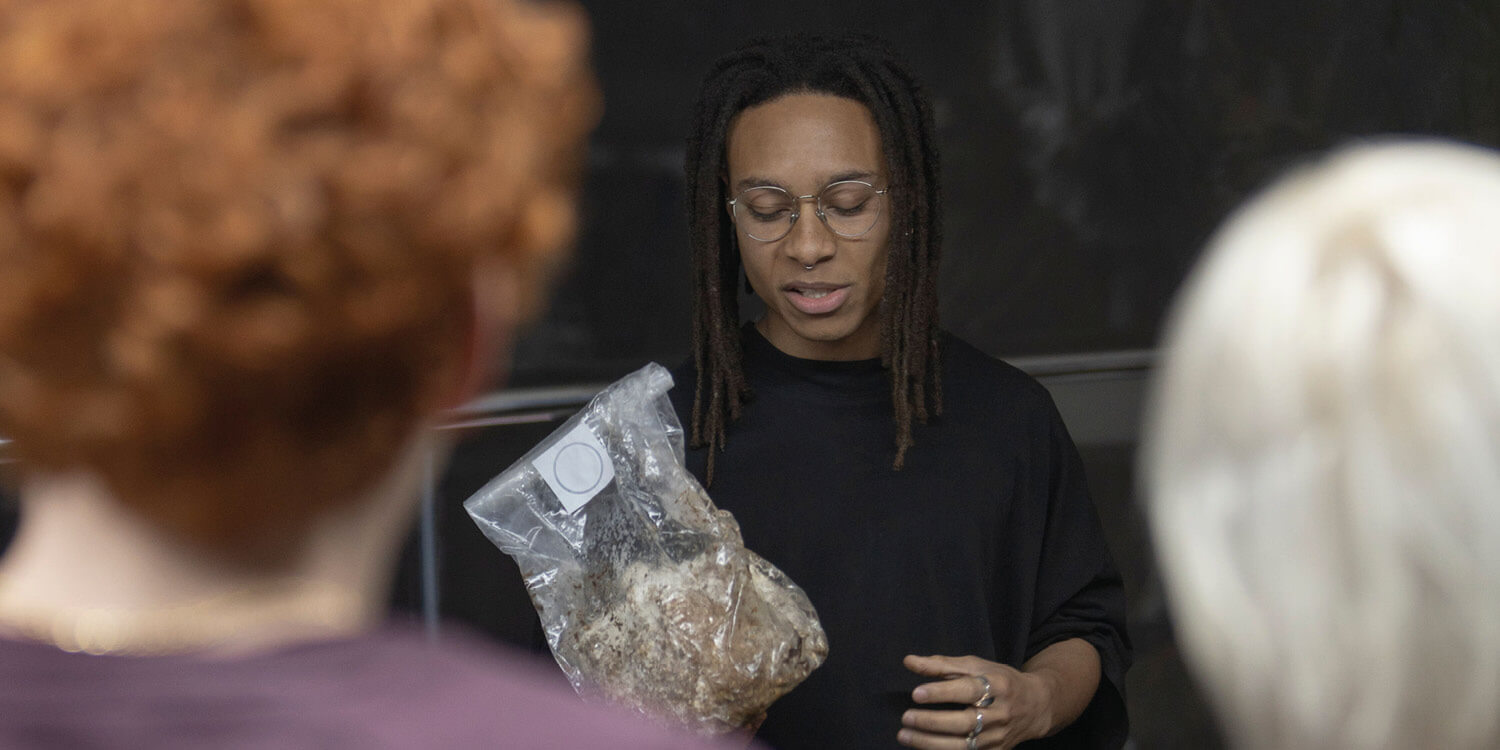
Akir leading workshop on mycofabrication. Curated and produced by Redress Laboratory. Photo: shotbywillz.
What drew you to apply for this residency and how do you think it will inform your wider practice?
Biodesigners often work with agricultural waste as a resource to transform into something new, which makes the G.A.S. Farm House in Ikiṣẹ an ideal setting for this kind of material research. This drew me to explore the potential of circular design and natural materials within a Nigerian context. I have long admired crafts such as Adire, and I am excited to discover the connections between indigo dyeing processes and the biomaterials I work with. I am also interested in learning what ancestral approaches to making can teach us about living in greater harmony with nature.
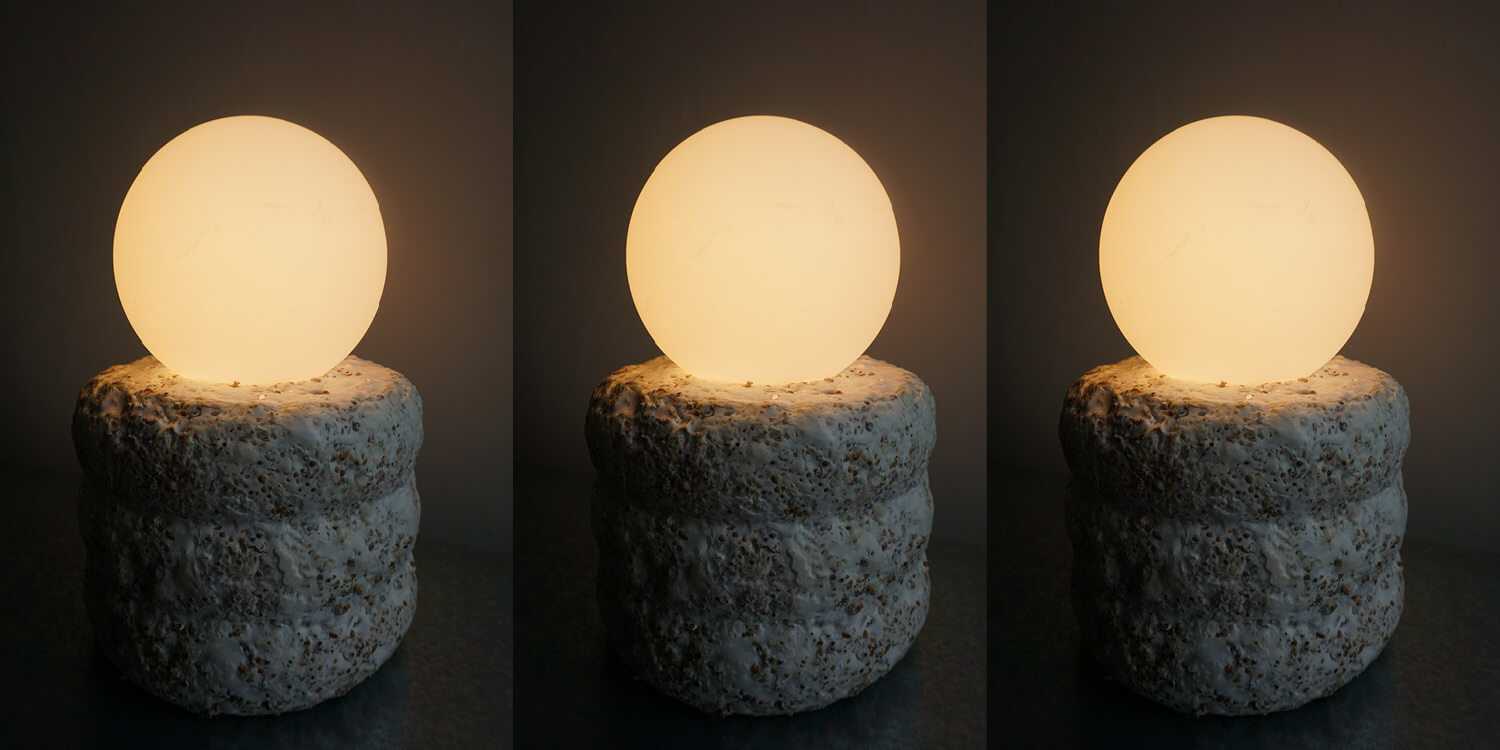 Stacked Mycelium Lamp, commission by the kombucha bar & microbrewery Wild Is Earth in London. Image courtesy of the artist.
Can you give us an insight into how you hope to use the opportunity?
I plan to use the residency to develop a biomaterials library based on agricultural by-products from the farm and local area, exploring what can be created from overlooked natural resources. I am also particularly looking forward to sharing my practice and research with the creative community, in the hope that it might inspire local artists and designers to explore natural materials in their own work.
RESIDENCY ARCHIVE
Event: Field Notes 001
Event Date: 25th June 2026
As his residency concluded, Akir hosted Field Notes 001 on 25th June at G.A.S. Lagos, reflecting on his research into regenerative design, biomaterials, and the relationship between traditional craft practices and sustainable material innovation. Through a presentation, he traced the evolution of his practice, explaining how he cultivates materials using bacteria and fungi before transforming them into textiles and lighting through craft-based techniques. Rather than viewing biotechnology and heritage craftsmanship as separate disciplines, he demonstrated how they can work together to create more sustainable models of production. He argued that ancestral knowledge, particularly traditional dyeing, weaving, and making practices, should be understood as technologies that continue to offer solutions to contemporary ecological challenges.
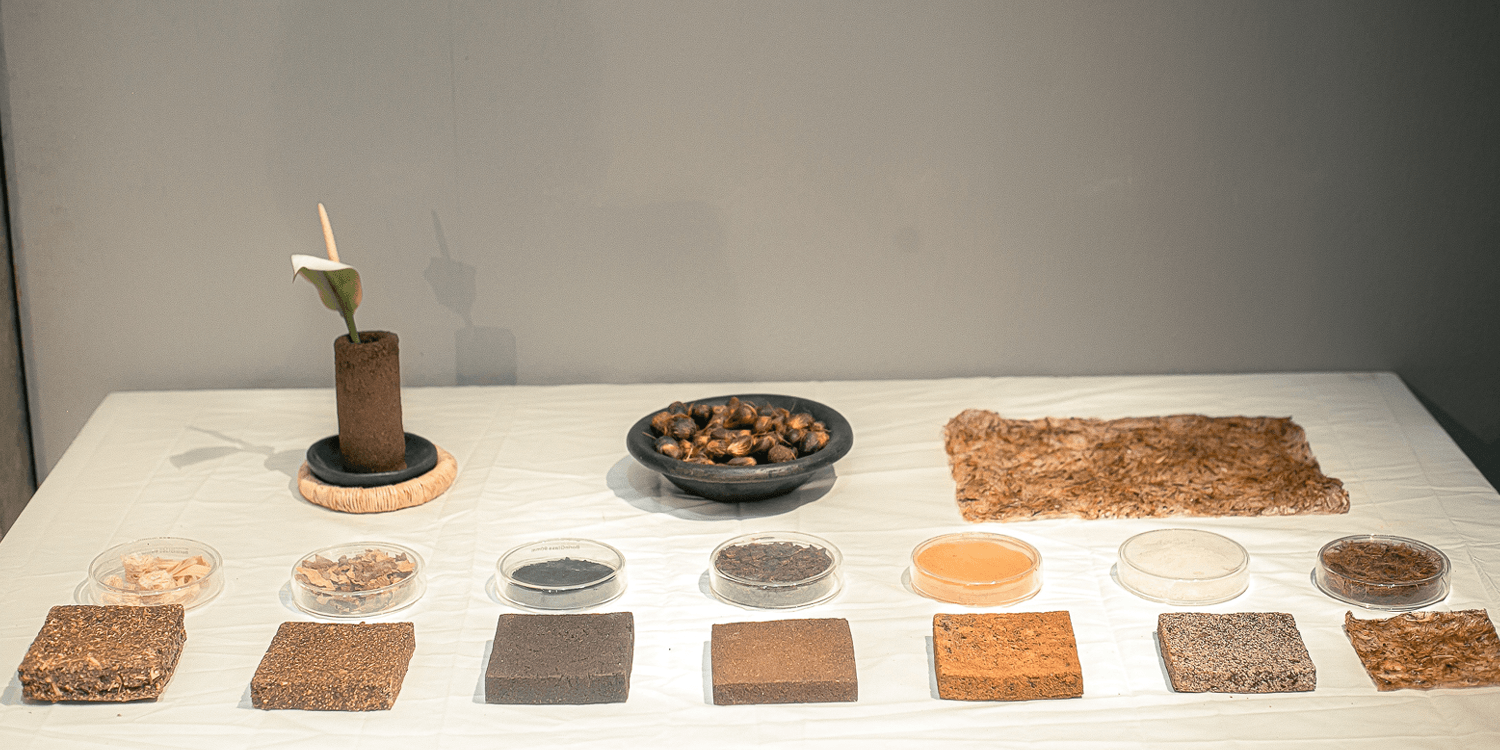 Experimental bricks and biomaterials developed by Akir Hall during his residency at G.A.S. Farm House in Ikiṣẹ.
About Akir Hall
Akir Hall is a London-based biodesigner and material researcher whose work sits at the intersection of biotechnology and craft. He grows materials with bacteria and fungi before finishing and dyeing them with artisanal techniques to create lighting and homeware objects that bridge both past and future. His work is exhibited internationally and as a visiting lecturer at Lifefabs Institute he shares his research in circular design and biofabrication through hands-on workshops. Through his podcast grow.objects, Akir amplifies the voices of artists and designers working with nature rather than against it, championing environmental responsibility and regenerative material cultures.
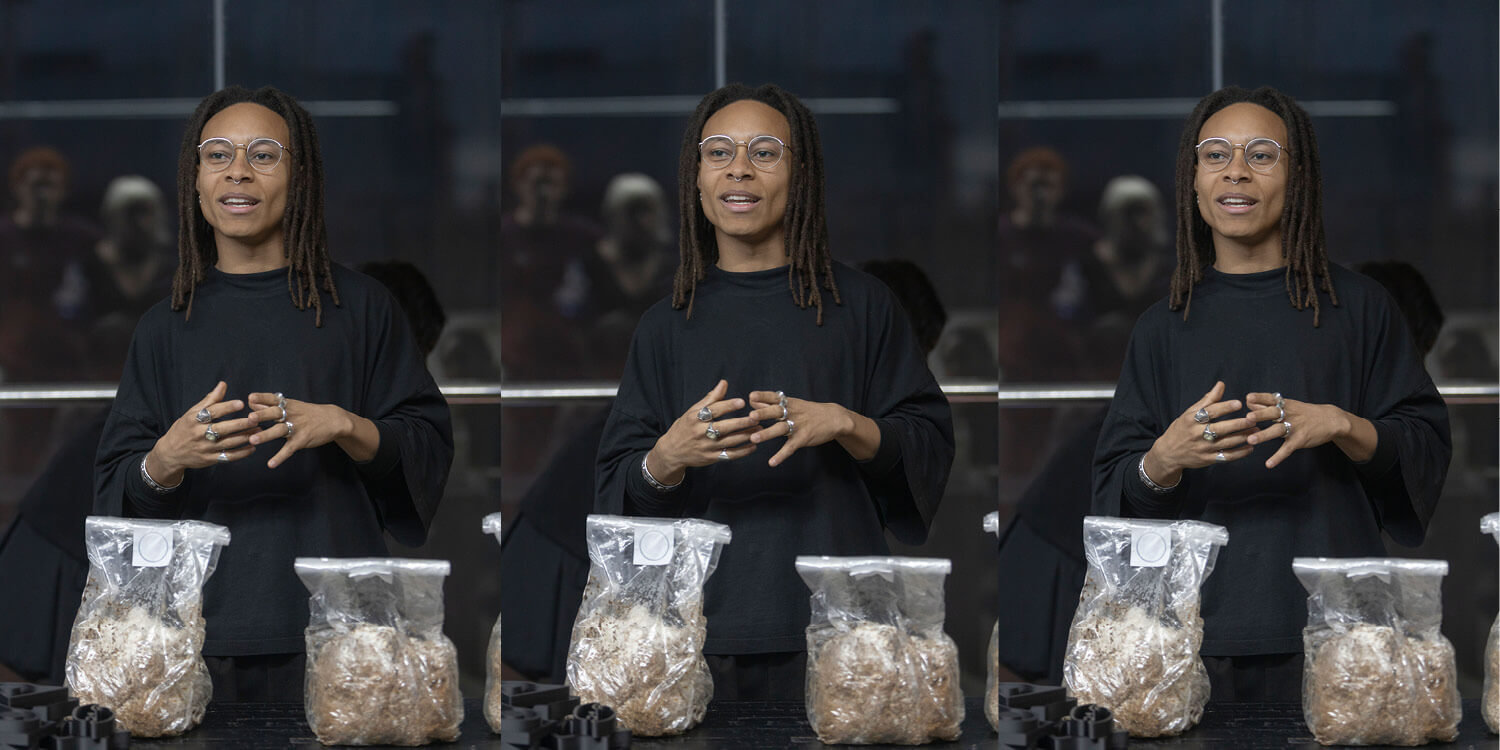 Image of Akir Hall. Photo: ShotByWillz.